
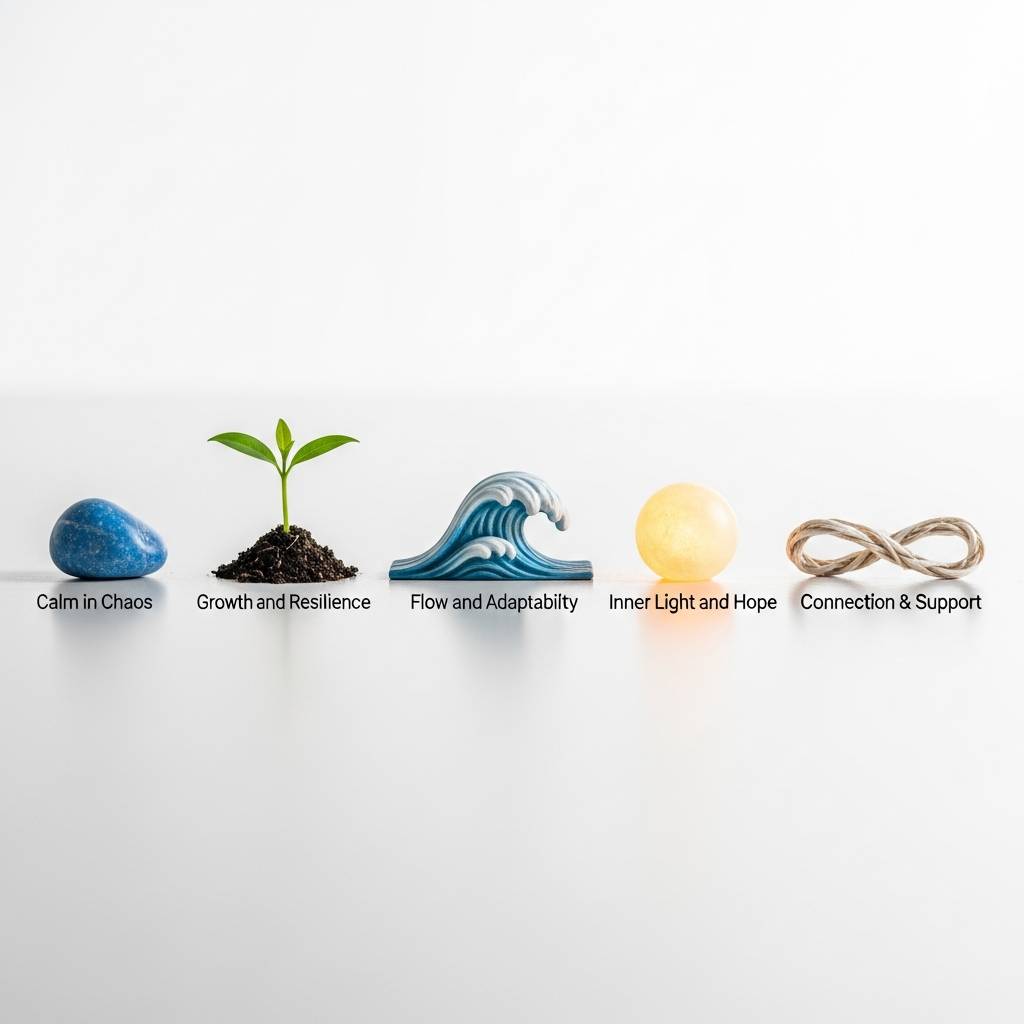
In an increasingly interconnected world, information flows ceaselessly, often bringing with it a tide of anxiety, fear, and overwhelm. The constant barrage of updates, crises, and divisive opinions can leave even the most resilient among us feeling drained and distressed. Learning to navigate this complex landscape is no longer a luxury but a necessity for mental well-being. This blog post explores five essential strategies, or rather, five crucial pieces of Survive News, that can empower you to maintain your mental peace amidst the daily deluge of information. Understanding how to process, filter, and respond to the news is fundamental to preventing information overload and fostering a calmer mind.
The concept of ‘Survive News’ isn’t about ignoring the world; it’s about developing a resilient approach to consuming information. It’s about equipping yourself with the tools to stay informed without sacrificing your inner tranquility. As we delve into these strategies, remember that your mental health is paramount, and consciously managing your news intake is a powerful act of self-care. Let’s uncover the vital insights that will help you not just consume news, but truly thrive despite its challenges.
1. Curate Your Information Diet: The First Step to Survive News
Just as you wouldn’t eat every food item placed in front of you, you shouldn’t consume every piece of news that crosses your path. The first and perhaps most critical step in learning to Survive News is to meticulously curate your information diet. This means being highly selective about your sources and the platforms you use to get your updates.
Choosing Reliable Sources to Survive News Overload
The internet is a vast ocean of information, both credible and misleading. To effectively Survive News, you must actively seek out reputable, unbiased, and fact-checked sources. Prioritize news organizations with a long-standing commitment to journalistic integrity, transparency, and editorial standards. Look for sources that provide evidence, cite their work, and offer diverse perspectives rather than sensationalism.
Consider diversifying your news intake to include a range of perspectives, but always from verified sources. Relying on a single outlet, even a good one, can lead to a narrow understanding of complex issues. A balanced approach helps you form more nuanced opinions and reduces the likelihood of encountering echo chambers that amplify anxiety.
(Image Alt Text: A hand holding a magnifying glass over a newspaper, symbolizing critical evaluation of news sources for mental peace and to effectively Survive News.)
Filtering Out the Noise and Focusing on Essential Survive News
Beyond source selection, actively filter out content that doesn’t serve your well-being or provide genuine value. Unfollow social media accounts that spread negativity, misinformation, or engage in constant outrage. Utilize news aggregators or RSS feeds that allow you to customize topics of interest, focusing on areas that are genuinely important to you rather than being pulled into every trending story.
This proactive curation helps you focus on what truly matters, allowing you to stay informed without being overwhelmed. It’s about building a personalized news stream that empowers you, rather than one that drains your mental energy. This mindful approach is a cornerstone of how to truly Survive News in the modern era.
2. Set Boundaries and Limit Consumption: A Strategy to Survive News Fatigue
The always-on nature of digital media means news is constantly available. While accessibility has its benefits, it also makes it incredibly easy to fall into a cycle of incessant checking, often referred to as “doomscrolling.” Establishing clear boundaries around your news consumption is vital for preserving mental peace and learning to Survive News effectively.
Designate Specific News Consumption Times
Instead of sporadically checking headlines throughout the day, dedicate specific, limited time slots for news consumption. For example, you might choose to read news for 15-30 minutes in the morning and another 15-30 minutes in the evening. This structured approach prevents news from encroaching on your entire day, allowing you to focus on work, hobbies, and personal interactions undisturbed.
Avoid consuming news first thing in the morning or just before bed. Starting your day with distressing headlines can set a negative tone, while ending it with anxiety-inducing stories can disrupt sleep. Protecting these crucial times is a simple yet powerful way to enhance your ability to Survive News without compromising your well-being.
Practice Digital Detoxes to Better Survive News Overload
Regularly unplugging from all digital devices, including news sources, is an essential practice for mental rejuvenation. A digital detox can range from a few hours each day to an entire weekend or longer. During these periods, engage in activities that nourish your mind and body, such as spending time in nature, reading a physical book, exercising, or connecting with loved ones face-to-face.
These breaks provide much-needed respite from the constant stimulation and allow your mind to process and reset. By intentionally stepping away, you gain perspective and return to information consumption with a clearer, more resilient mindset. This deliberate disconnection is a fundamental tactic in your toolkit to Survive News and its potential psychological impact.
3. Fact-Check and Verify: Essential Skills to Survive News Misinformation
In the age of rapid information dissemination, misinformation and disinformation are rampant. Sensational headlines, biased reporting, and outright falsehoods can spread like wildfire, causing unnecessary panic and eroding trust. Developing critical thinking and fact-checking skills is paramount to navigate this landscape and truly Survive News without falling prey to manipulation.
The Importance of Critical Thinking in Consuming Survive News
Before accepting any piece of information as truth, pause and engage your critical thinking skills. Ask yourself: Who is the source? What is their agenda? Is this information supported by evidence? Does it evoke a strong emotional reaction, which might indicate an attempt at manipulation? Be skeptical of headlines that seem too good (or too bad) to be true, or those that confirm your existing biases.
Cross-referencing information from multiple reputable sources is a powerful way to verify accuracy. If a story is only reported by one obscure outlet, or if its claims are not echoed by mainstream, verified news organizations, it warrants additional scrutiny. This disciplined approach is a core element of how to intelligently Survive News in a post-truth era.
(Image Alt Text: A person looking at multiple news screens, symbolizing the need to cross-reference and fact-check information to Survive News effectively.)
Utilizing Fact-Checking Resources to Survive News Fallacies
Fortunately, there are numerous dedicated fact-checking organizations and tools available to help you identify false information. Websites like Snopes, PolitiFact, FactCheck.org, and the Associated Press Fact Check are invaluable resources. These organizations employ expert journalists and researchers to debunk myths, verify claims, and provide evidence-based assessments.
Learning to use reverse image searches can also help identify if a photo or video has been taken out of context or manipulated. By actively employing these tools, you empower yourself to differentiate between genuine reporting and misleading content, thereby enhancing your ability to accurately Survive News and its potential for deception.
4. Focus on Solutions and Positive Developments: A Healthier Way to Survive News
The news cycle often prioritizes conflict, disaster, and negativity, which can contribute to feelings of helplessness and despair. While it’s important to be aware of challenges, an exclusive focus on problems without acknowledging progress or solutions can be detrimental to mental health. Adopting a solutions-oriented approach to news consumption can significantly improve your ability to Survive News with a sense of hope.
Seeking Out Constructive and Solutions-Oriented Journalism
Actively seek out news outlets and journalists that specialize in constructive or solutions journalism. This type of reporting doesn’t ignore problems but focuses on responses to social issues, highlighting what’s working, and exploring potential solutions. It provides a more balanced perspective, showing that even in the face of adversity, people are working towards positive change.
Following stories that showcase human resilience, innovation, and acts of kindness can counteract the pervasive negativity often found in traditional news. This doesn’t mean burying your head in the sand, but rather choosing to also acknowledge the good that exists and the efforts being made to improve the world. This balanced intake is crucial for anyone trying to genuinely Survive News without succumbing to despair.
Balancing Negative and Positive News for Mental Resilience
Consciously balance your intake of challenging news with stories that uplift and inspire. Dedicate time to reading about scientific breakthroughs, environmental successes, community initiatives, or personal triumphs. This deliberate effort to consume positive news can significantly impact your mood and outlook.
Remember, your brain responds to what you feed it. If you constantly expose it to fear and negativity, it will become predisposed to those emotions. By intentionally seeking out and absorbing positive developments, you train your mind to recognize hope and possibility, making it easier to Survive News and maintain a sense of optimism.
5. Practice Mindfulness and Self-Care: Inner Tools to Survive News Stress
Even with the best strategies for managing external news sources, the internal impact of distressing information can linger. Developing strong mindfulness and self-care practices is essential for processing difficult news, managing emotional responses, and building resilience. These inner tools are indispensable for anyone striving to effectively Survive News while protecting their mental peace.
Mindfulness Techniques for Processing Difficult Information
When you encounter particularly upsetting news, take a moment to pause and acknowledge your feelings without judgment. Practice deep breathing exercises to calm your nervous system. Mindfulness involves bringing your attention to the present moment, observing your thoughts and emotions without getting swept away by them. This can help you process information more objectively and prevent emotional overwhelm.
Consider techniques like body scans or guided meditations to help ground yourself. These practices can create a buffer between the external world of news and your internal emotional state, allowing you to respond thoughtfully rather than react impulsively. Integrating mindfulness into your daily routine can significantly enhance your capacity to Survive News with a greater sense of calm.
(Image Alt Text: A person meditating in a serene environment, symbolizing the use of mindfulness and self-care to Survive News-related stress and achieve mental peace.)
Prioritizing Self-Care Activities to Build Resilience and Survive News Trauma
Beyond mindfulness, actively engage in self-care activities that replenish your energy and soothe your mind. This could include regular exercise, a balanced diet, sufficient sleep, spending time in nature, pursuing creative hobbies, or connecting with supportive friends and family. These activities are not luxuries; they are fundamental to maintaining your mental and emotional reserves.
When you are well-rested, nourished, and socially connected, you are better equipped to handle the stresses of the world, including the challenges presented by the news. Think of self-care as building your psychological immune system, strengthening your ability to bounce back from difficult information and truly Survive News with sustained mental peace. Remember that asking for professional help from a therapist or counselor is also a vital form of self-care if you find yourself struggling.
Conclusion: Mastering the Art to Survive News and Thrive
Navigating the relentless flow of information in today’s world requires intentional effort and a proactive approach. The five essential strategies we’ve discussed – curating your information diet, setting boundaries, fact-checking, focusing on solutions, and practicing mindfulness and self-care – are not just tips; they are vital components of a resilient mindset. By implementing these practices, you can transform your relationship with the news, moving from a passive consumer to an empowered individual who can truly Survive News without sacrificing mental peace.
Remember, the goal is not to become ignorant of the world but to engage with it mindfully and sustainably. Your mental well-being is a precious resource, and protecting it in the face of an overwhelming news cycle is an act of profound self-respect. Embrace these pieces of Survive News, integrate them into your daily life, and reclaim your peace of mind. What steps will you take today to better manage your news consumption?
Take Action: Start by choosing one strategy from this guide to implement this week. Whether it’s setting a 30-minute news limit or unfollowing a negative social media account, every small step contributes to a calmer, more resilient you. Share your experiences in the comments below – how do you plan to better Survive News?